Product Overview
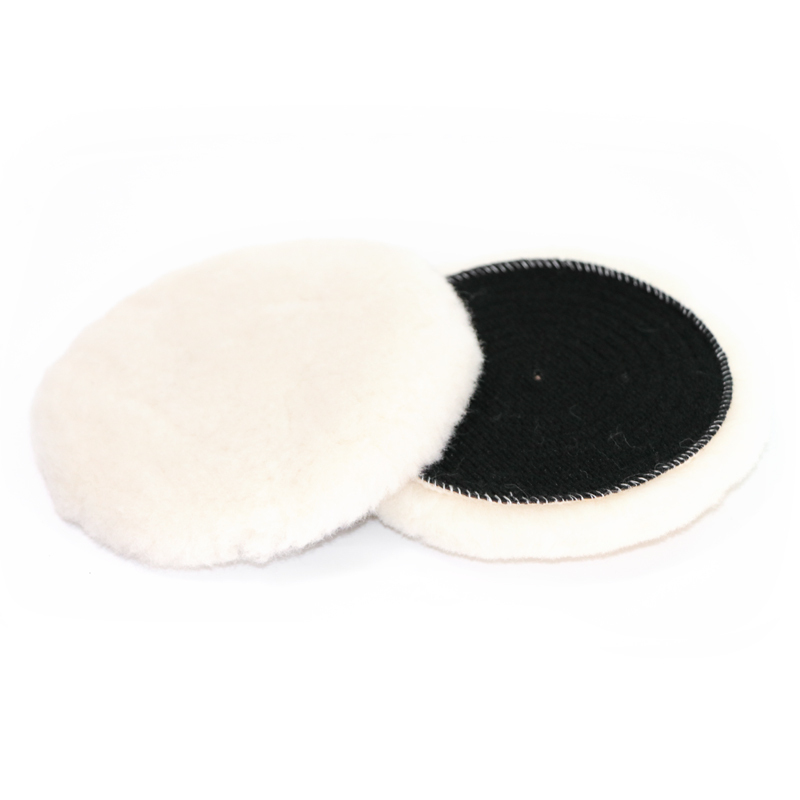
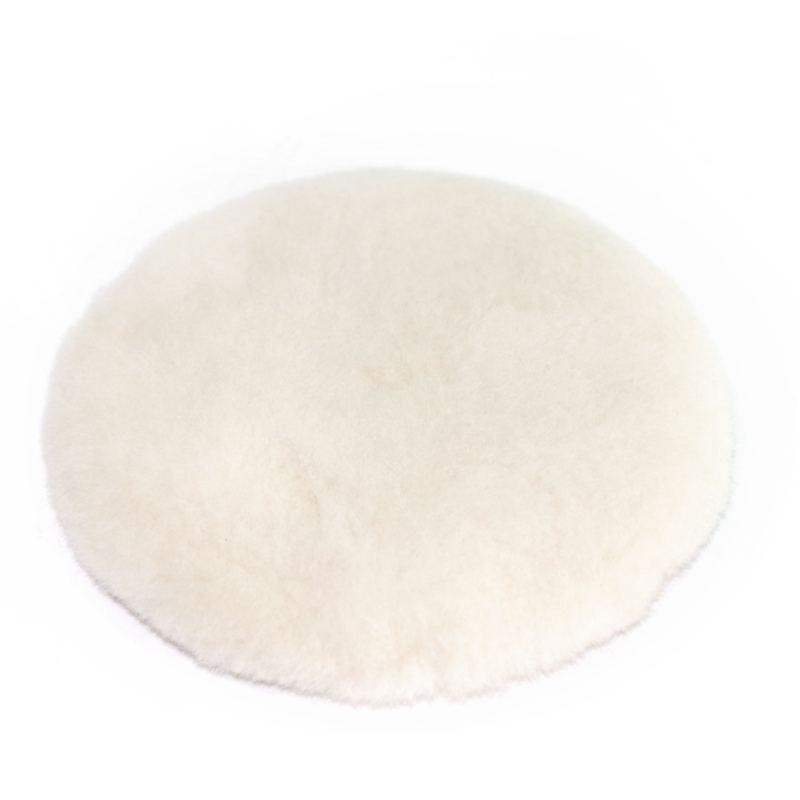
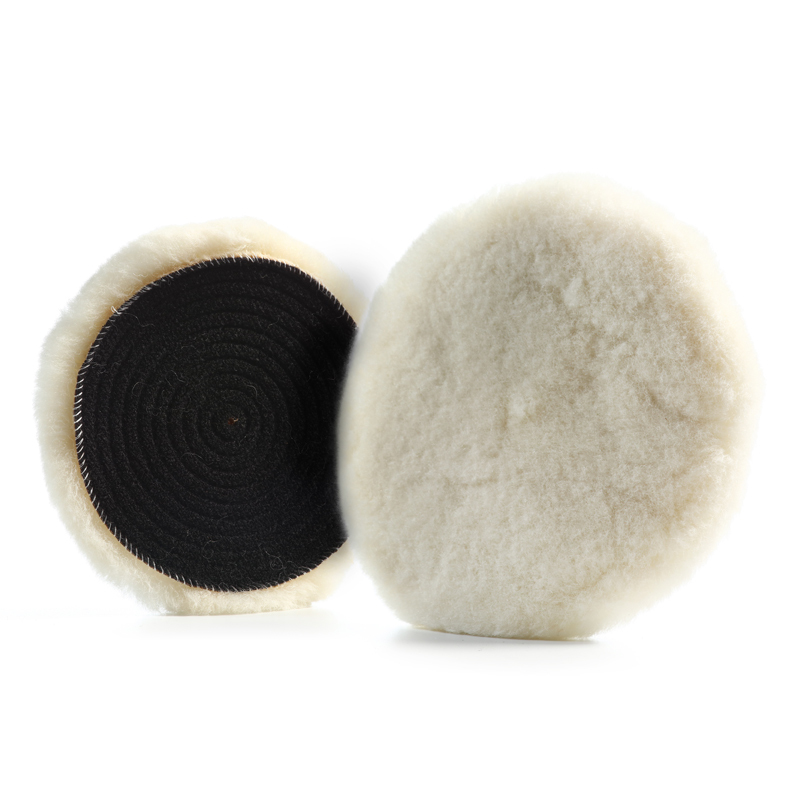
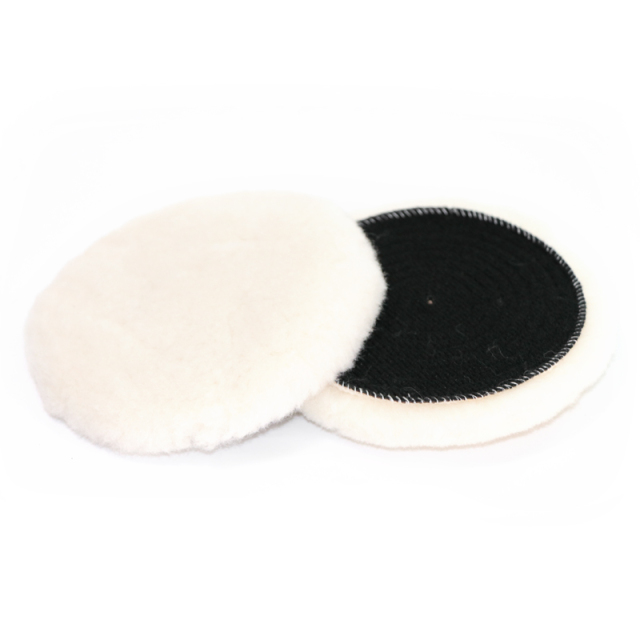
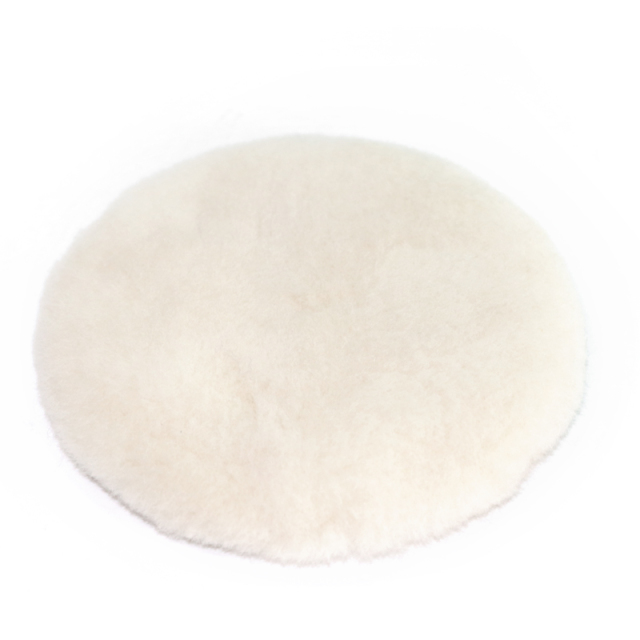
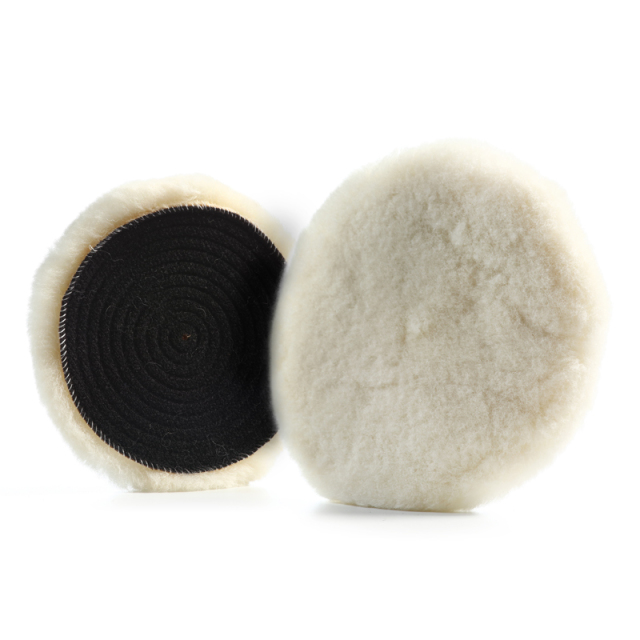
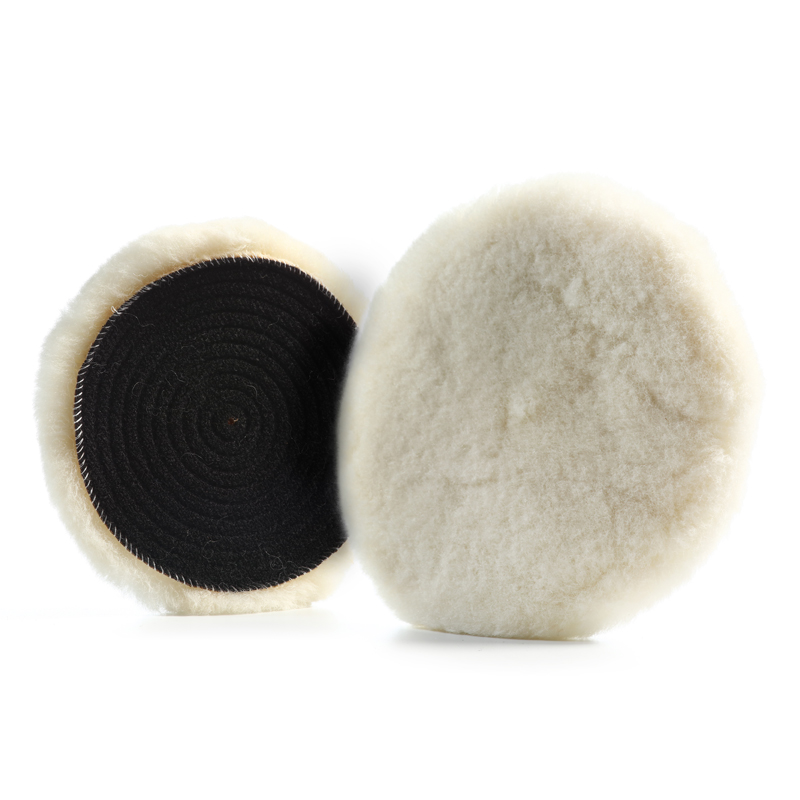
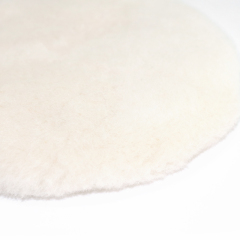
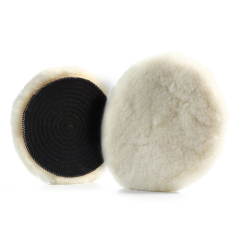
A 5-inch finishing pad for machine polishing. The working face is an ultra-fine fibre pile laid over a fine foam body, flat and soft against the panel, and it is built for the step that comes after the compounding is finished.
Mounting is straightforward: press the pad onto a matching hook-and-loop backing plate, spin the machine briefly to check it sits centred, and start working. Because the face sits flat and the foam holds its shape under the machine, the pad stays controllable along swage lines, around wheel arches and up the pillars.
Detailing bays run it for the final pass of car polish, before wax or a coating goes on. A car wax manufacturer builds the pad for that exact place in the job, and distributors stock it as a repeat consumable next to their compounds and cutting pads, because pads are the part of a polishing job that wears out first.
Treat it as one item in the car care supplies a professional bench refills on a rhythm — pads, compounds, applicators, towels — and order it the way you order the liquids it runs with.
- Fine grade, not a cutting pad. The pile is ultra-fine, so this is the pad that follows a compound car polish step and works the liquid down to gloss instead of levelling more paint.
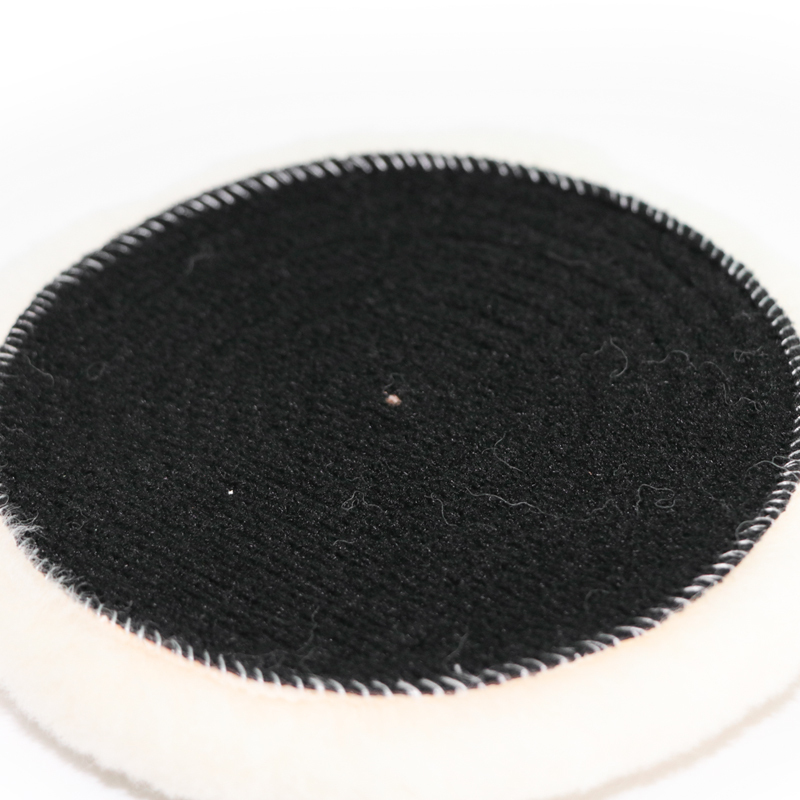
Hook-and-loop changeovers. The loop face grips a standard backing plate and peels off by hand, so a pad can be swapped between panels without tools or adhesive.
A 5-inch working face. Big enough to cover a door or a quarter panel efficiently, small enough to stay controllable on mirrors, pillars and bumper corners.
Even contact across the panel. The foam body keeps the face supported and flat, so pressure does not concentrate into one spot where the machine pauses.
A face you can read. Residue and paint transfer show up on the white pile straight away, which makes it obvious when a pad needs brushing out.
A genuine repeat line. Pads are reordered far more often than the machines they fit, which makes them one of the steadier lines to keep on the shelf.
Material & Build
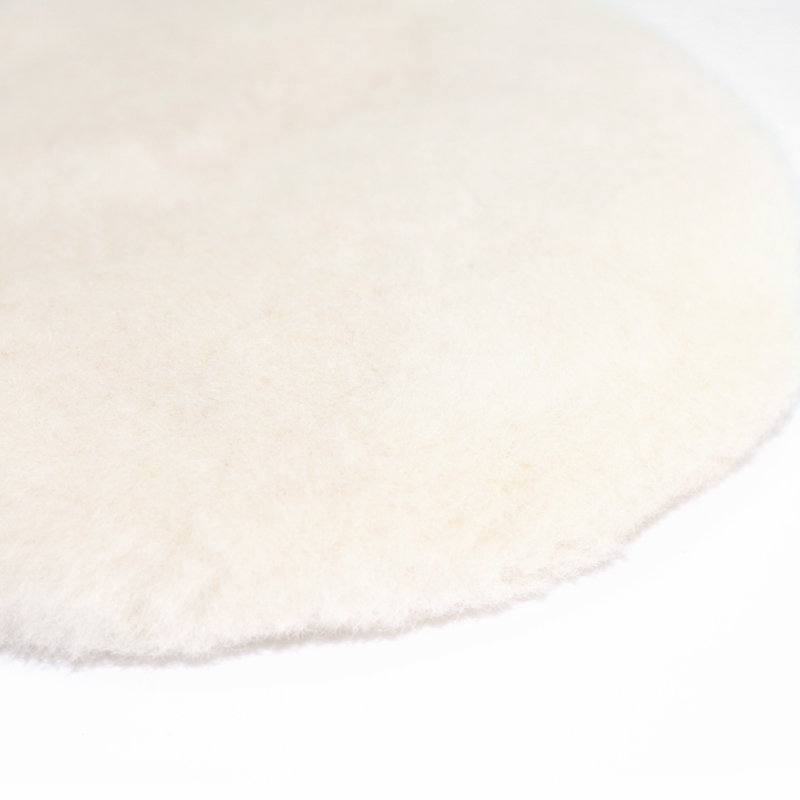
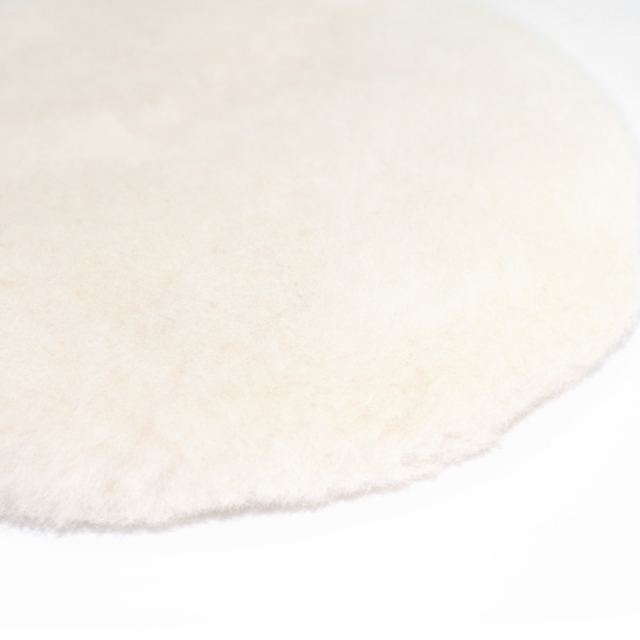
Two parts do two different jobs. The body is fine foam, which gives the pad its cushion and its shape. The face is an ultra-fine fibre pile, the grade the trade sometimes calls rabbit hair or cony hair, though it is a soft synthetic plush rather than animal hair. It is there to work a finishing liquid down to a clear film.
That split is what makes the pad a finishing tool rather than a cutting one. A wool pad or a heavy microfibre pad pulls fresh material off the paint; the pile here works the liquid without taking more film build with it, which is what leaves depth and clarity instead of a flat, hazed shine.
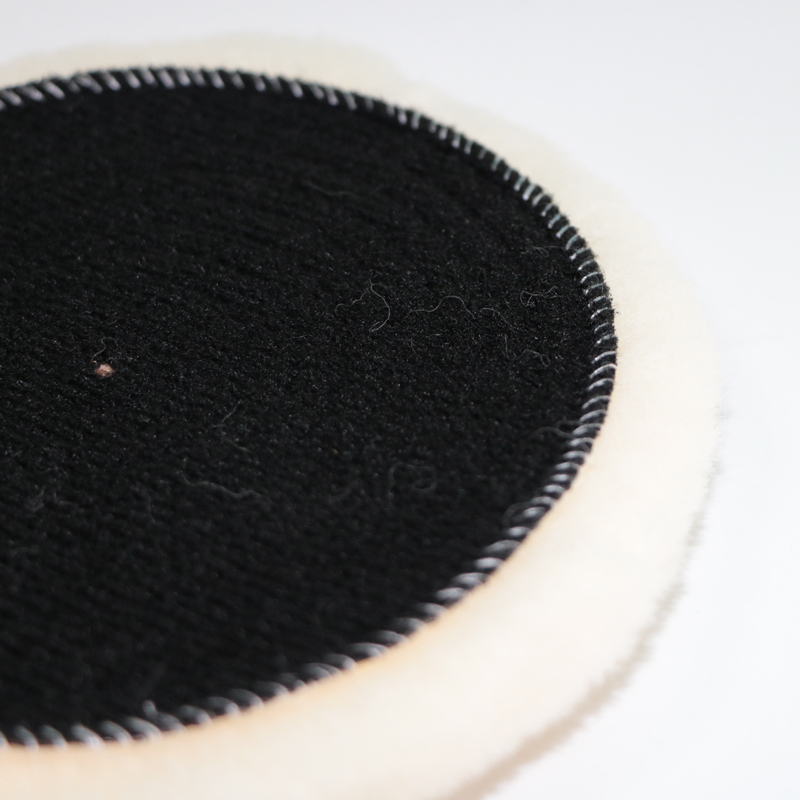
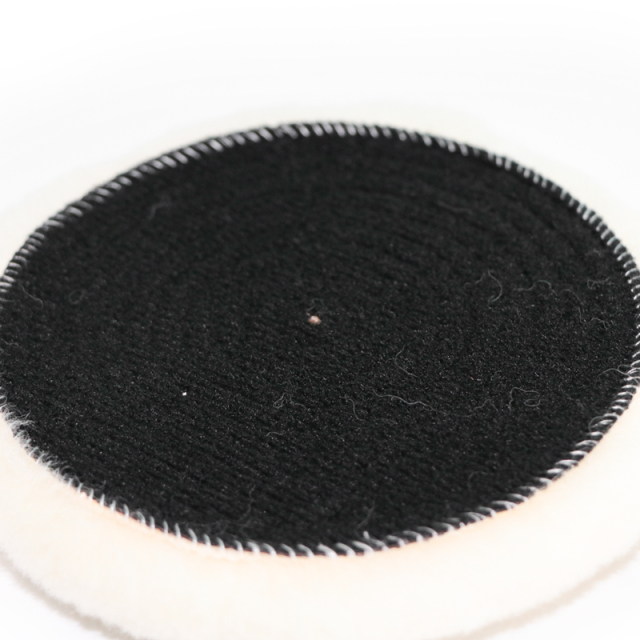
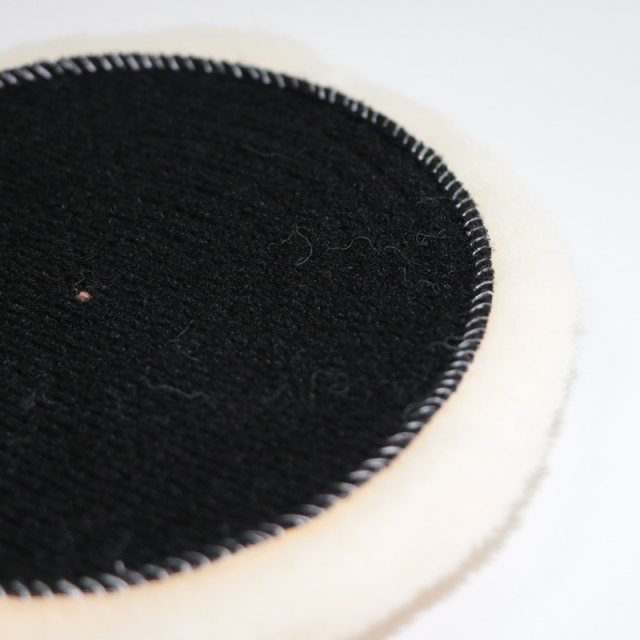
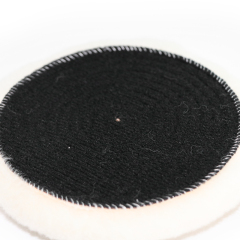
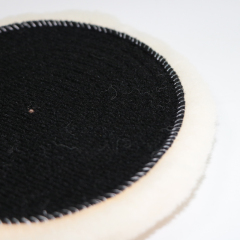
The stitching around the rim locks the pile to the pad, so the edge does not fray into the paint or leave fibres behind when the machine is tilted through a curve. On the back, the black loop face is dense enough to hold on the plate through a full panel and still peel away by hand.
Every pad is inspected the same way before it is packed: the face is checked for a consistent pile, the stitch line for gaps, and the backing for full coverage across the disc.
Machine Fit & Backing Plate
- Made for a 5-inch plate. Check that the hooks on your backing plate engage the full disc of the pad before you start; a partial grip lets the pad creep off centre.
- Dual-action or rotary. The pad runs on either machine type. On a rotary, keep it moving and the speed moderate so the edge never sits in one place on the paint.
- Machine work, not hand work. This pad needs rotation behind it. A car polish worked by hand calls for a foam applicator block, and a hand-driven pad will not give the same even result.
- Watch the plate, not just the pad. A backing plate with flattened or clogged hooks is the usual reason a pad will not stay put; replace the plate rather than fighting the pad.
- Not a coating applicator. Ceramic and graphene coatings are spread with a block and a suede or sponge applicator; a ceramic car polish runs on this pad, the coating does not. Keep that tool and this pad apart on the bench so the wrong one never gets picked up.
- Different plate size? Send the plate diameter and the machine you run and we will confirm whether this pad suits it before you order.
Polishing Sequence
- Wash the car with your usual car care supplies and strip bonded contamination first; a pad worked over grit grinds it into the clear coat.
- Remove the defects with a cutting pad and a compound car polish, then wipe the residue off and inspect the panel under a bright light.
- Press this pad onto the backing plate and spin the machine briefly to confirm the pad is centred and sitting flat.
- Prime the face with a thin, even film of car paint polish, then add a small amount per section rather than flooding the pad.
- Work one panel at a time at a moderate machine speed, keeping the pad moving and letting the weight of the machine do most of the work.
- Ease off the pressure for the final passes and finish the liquid down to a light film before it dries hard on the paint.
- Wipe with a clean microfiber towel, inspect at an angle, and repeat only on the sections that still show haze.
Care & Replacement
A pad that is brushed out between panels finishes better than one that is not. Dry residue packs into the pile, the face glazes over, and the pad starts smearing old product back onto the paint instead of cutting it. A quick pass with a pad brush or compressed air after each panel keeps the face open and the result consistent.
At the end of a job, wash the pad in warm water with a mild detergent, work the pile with your fingers until the water runs clear, and rinse. Press the water out in a towel and stand it face-up to air dry. Do not machine-dry it, and do not leave it soaking, because the foam has to keep its shape to sit flat on the plate.
Store pads flat in a clean box or bag away from dust and direct heat. A pad that has been used for a car wax polish should be kept with the wax and sealant work rather than returned to polishing, so the face does not carry a wax film into the next correction. Sourcing both from the same car wax manufacturer does not change that — the two jobs still want their own pads.
Retire a pad when the pile looks flattened or glazed, when the stitch line starts to fray, when the backing begins to lift, or when the pad will not sit flat on the plate any more. A worn finishing pad is the most common reason a polish job suddenly goes patchy halfway through a vehicle.
Scratch & Swirl Limits
- Light wash haze, faint towel marks and the grey bloom left behind when a compound or a car paint polish dries are cleared in one pass with a fine finishing liquid on this pad.
- A scratch you can feel with a fingernail has gone through the clear coat, and no pad and no polish puts that back; the same applies to swirls cut down to primer or an etch mark left by a bird dropping.
- Read the panel before you start: wipe it with a prep spray, sight along it under a bright inspection light, and run a fingernail across the mark. If the nail catches, it is a paint repair rather than a polishing job.
- Come to this pad only once a compound car polish has levelled the defect; trying to do both jobs on one fine pad only heats the paint and glazes the face.
- Push a fine pad too hard and the pile mats down, the finish goes patchy, and the risk of strike-through climbs sharply on edges, swage lines and plastic trim.
- Run the first test on a scrap bonnet or an inconspicuous panel with the liquid you actually intend to use, and judge the result in daylight before the pad goes near a customer's car.
- A wax or glaze with fillers will hide fine swirls for a few washes and then let them reappear; if the surface will not come clean on this pad, the answer is another cutting step, not a heavier wax.
- Leave it to a bodyshop when the paint reads thin on a gauge, when the defect sits under the clear coat, or when the panel has been repainted.
Specifications
| Field | Detail |
| Product type | Machine polishing pad, finishing grade |
| Model | No.T-609 |
| Diameter | 5 inch |
| Face | Ultra-fine fibre pile (plush) |
| Body | Fine foam |
| Grade | Fine, for final gloss and refinement |
| Backing | Hook-and-loop |
| Form | Circular, flat |
| Colour | White face, black backing |
| Edge | Stitched perimeter |
| Machine | Dual-action or rotary polisher with a 5-inch hook-and-loop backing plate |
| Step in the process | After compounding, before wax or coating |
Sampling & Approval
- Tell your sales contact which machine and backing plate you run, and what the pad will carry — a finishing polish, a ceramic car polish or a wax.
- Ask about sample availability and the sample scope; any sample or courier charge is confirmed before dispatch.
- Run the sample on your own machine with the car paint polish you actually use, on a test panel or a scrap bonnet rather than a customer's car.
- Check the face, the backing adhesion and the stitch line after the test, and see how the pad cleans up afterwards.
- Keep the approved pad sealed and labelled as the reference, so later orders can be compared against it.
- If your requirement changes — a different plate size, or the pad will now run a car wax polish instead of a finishing liquid — say so before the order is released.
Ordering & Delivery
- Stock and dispatch. In stock and fast shipping. Pads are a stocked line, so repeat orders leave quickly.
- Quantity and wholesale terms. Minimum order quantity, carton configuration and wholesale pricing are quoted per order — send the pad quantity and the market you sell into and the team will confirm the terms.
- Packing. Bulk cartons, shelf-ready packs, printed sleeves and carton marks are confirmed before the order is released; tell us what your sales channel needs.
- Payment and balance. Payment method, currency and the balance due before dispatch are set out on the order confirmation.
- Documents. Commercial invoice, packing list and the shipping documents your broker asks for are prepared with the order. If your market needs test reports or declarations for the pad, say so at quotation stage and we will confirm what can be supplied.
- After-sales and batch records. Short, damaged or wrong cartons should be reported with the order reference, the quantity affected and photos, so the batch and packing records can be checked against what was approved.
- Made and packed by the same house. We work as one of the car cleaning products manufacturers supplying detailing brands, so most buyers place this pad with the rest of their car care supplies — compounds, waxes, applicators — and the order ships together.
- Wax made in the same house. We have been a car wax manufacturer far longer than a pad supplier, so a pad order can be planned around the waxes and compounds you already buy.
- Choose the pack format before anything is printed: bulk poly bag, printed bag with a header, or a carded pack for pegboard and shelf. Tell us whether the pad ships to a detailing bay as bulk, to a distributor in plain cartons, or onto a store peg, and the pack follows that channel.
- Send label artwork as vector files with fonts outlined, or supply your own dieline. Content that has to be right on a pad label: brand, product name, 5 inch, fine grade, machine compatibility, barcode, country of origin, a batch field and the warning lines in the language your market reads.
- Approve a digital proof, then a physical pre-production pack. Nothing prints until the packed sample is signed off, and any change after that goes back through proofing before the run is released.
- Confirm the carton at the same stage: quantity per carton, carton size and board strength, shipping marks, gross weight, and where the batch code is printed on the outer.
- Settle the balance and the shipping mode on the order confirmation. Pads travel with the rest of your car care supplies on the same booking when the timing allows, so a mixed order stays on one set of documents.
- Expect the document set with the goods: commercial invoice, packing list, bill of lading or airway bill, and a certificate of origin where the destination market asks for one.
- Raise test paperwork at quotation stage. If your market wants a declaration or a third-party report on the pile fibre or the dyestuff, tell us then and we will confirm what can be supplied rather than issuing papers we do not hold.
- Keep the batch code on the carton. It ties the pads back to the production run, so a short count, a crushed carton or a pad that does not match the approved sample can be checked against the packing record — send the order reference, the batch code, the quantity affected and photos.
Scale & Supply Capability
SURAINBOW is run by Guangzhou Liangdian Automotive Supplies Co., Ltd., a factory-trade operation set up in Guangzhou in 2010 and now 50 people strong. Sixteen years in car care have given us a one-stop supply position: our own SURAINBOW lines are held in stock for fast shipping, and an associate factory with modern production equipment and an established quality management system keeps replenishment moving. We take OEM and ODM work and our R&D team develops to your specification. Buyers in the Middle East, the United States, Southeast Asia, Europe, the UK, Russia, Africa and Australia already order from us.
FAQ
What does a fine finishing pad do that a cutting pad cannot?
The cutting step does the levelling. This pad works the surface without taking more film build, refining the haze that step leaves behind and bringing the paint up to gloss. Running it straight after compounding, before any wax or coating, gives the cleanest result.
Will this pad fit my polisher?
It mounts on a 5-inch hook-and-loop backing plate, on either a dual-action or a rotary machine. Check that the hooks engage the whole disc before you start. If your plate is a different diameter, send the plate size and machine type and we will confirm whether the pad suits it.
Can I run a ceramic car polish on this pad, and can I apply a coating with it?
Yes to the polish — the pad carries a ceramic car polish the same way it carries any finishing liquid. No to the coating: a ceramic or graphene coating is spread with a suede or sponge applicator block, and a polishing pad is the wrong tool for that step.
Will it remove scratches on its own?
Only fine ones. This is a finishing pad, so it refines the surface and lifts light haze; deeper scratches and swirls need a cutting step first with a firmer pad and a compound. Working a car polish on a fine pad over a deep scratch will shine it up but will not take it out.
Can the pad be used for wax as well as for polish?
It can spread a liquid car wax polish evenly by machine, and some shops keep a pad for that job alone so a wax film does not follow them into the next correction. Tell us what the pad will carry and we will point you to the grade that suits it.
Which polish should I pair with it for a first trial?
A fine finishing polish rather than a heavy compound. Use the liquid you already trust for the last step of car paint polish, run it on a test panel, and judge the result under a light before committing to a full order. As car cleaning products manufacturers we supply the liquids as well as the pads, so the two can be sent together for a full-step trial.