Product Overview
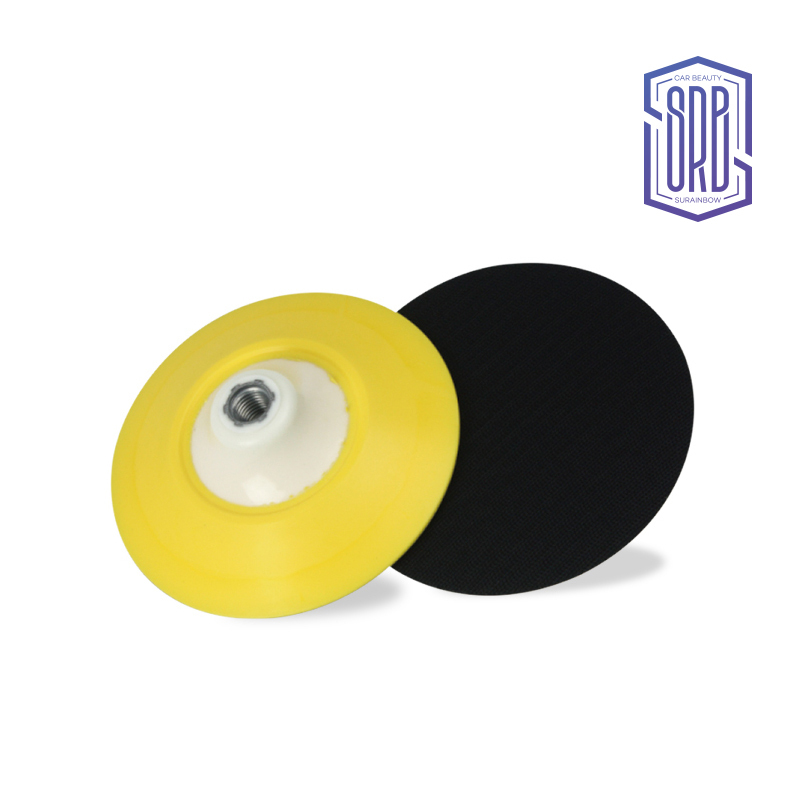
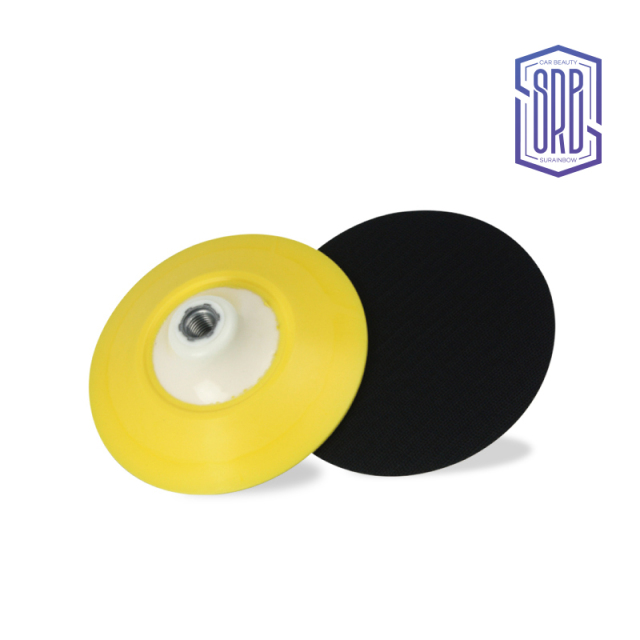
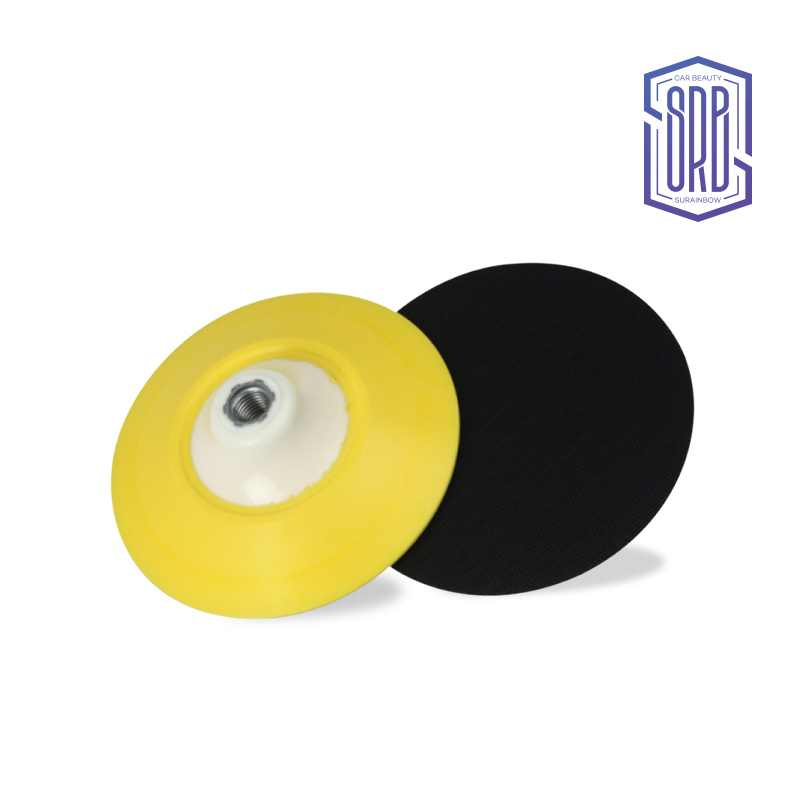
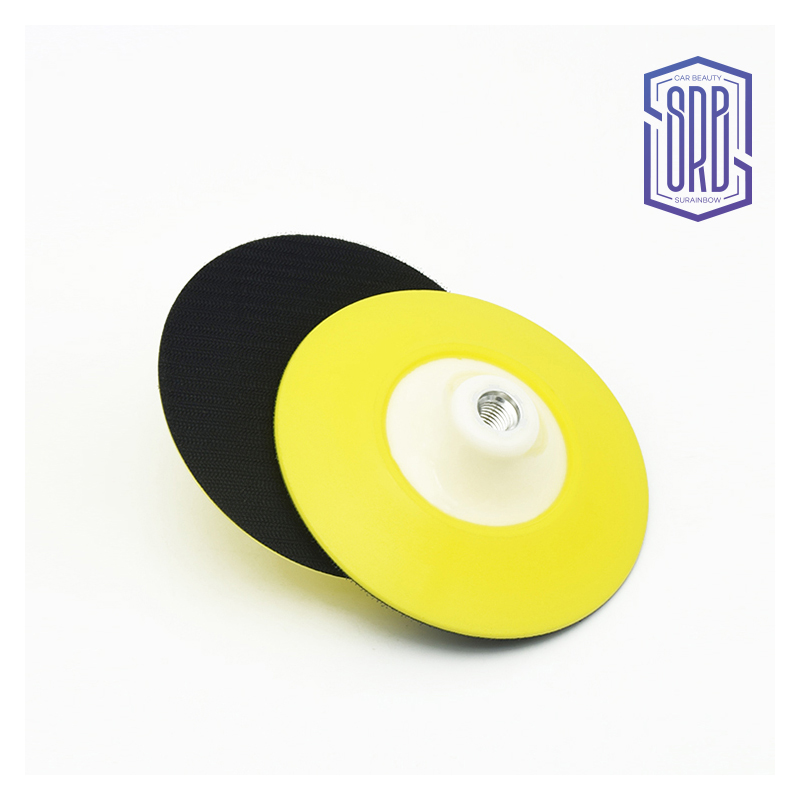
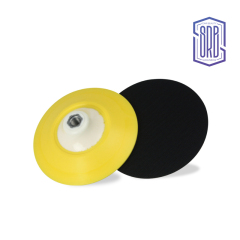
This is a 6-inch foam polishing pad with a hook-and-loop back — one of the cleaning tools for car paint work that belongs at the finishing stage rather than the cutting stage.
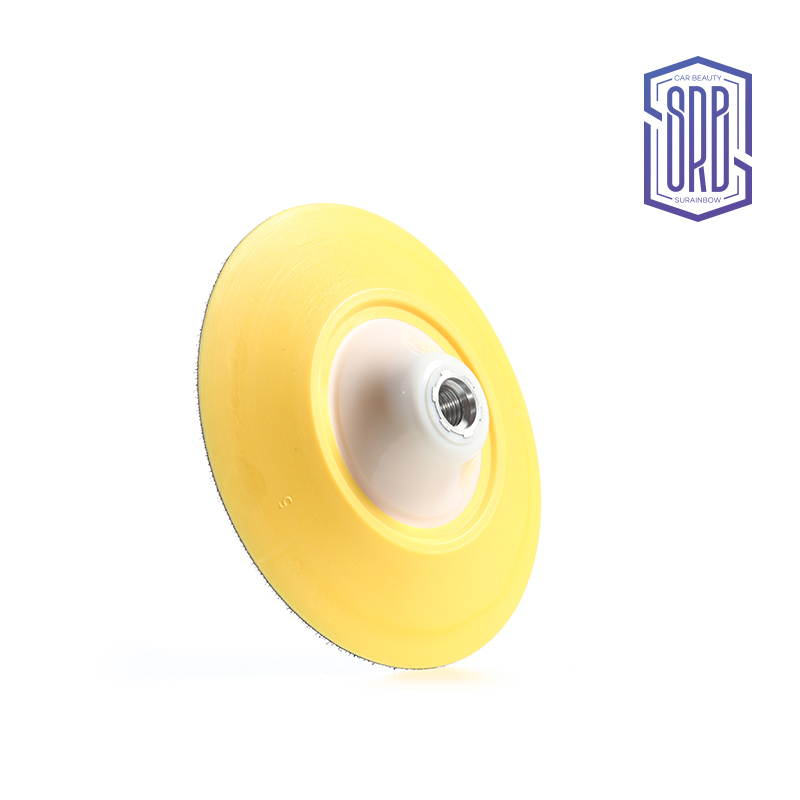
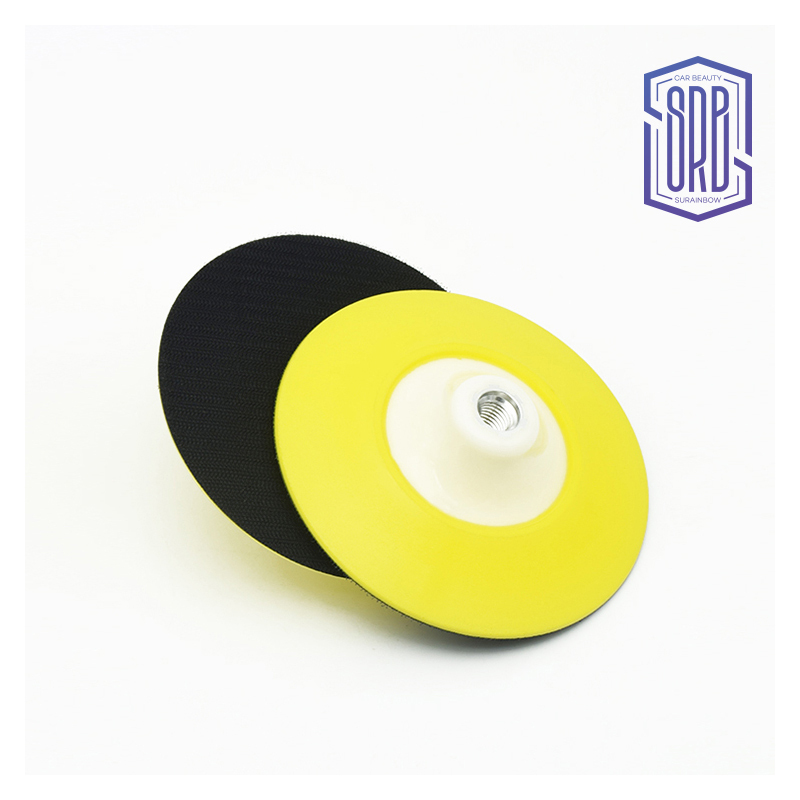
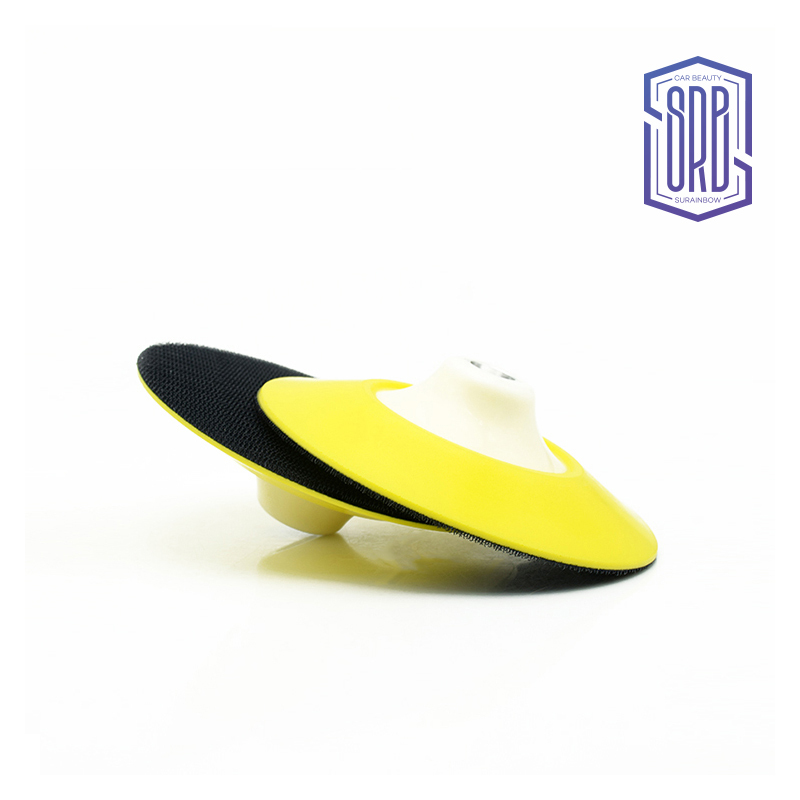
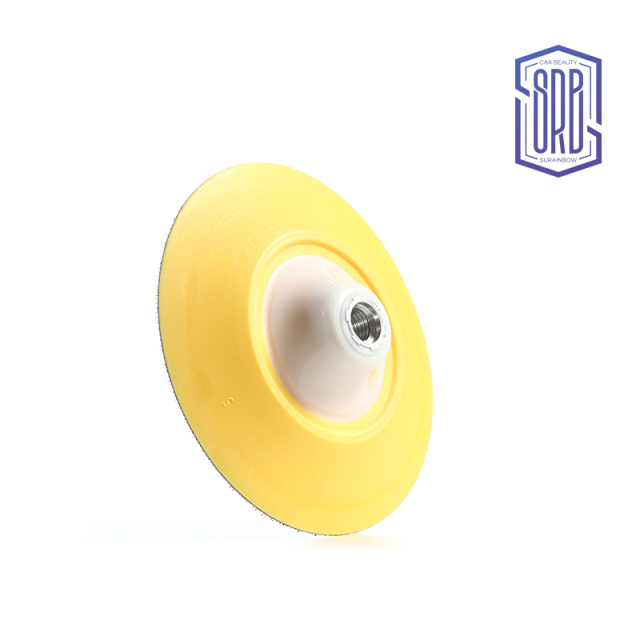
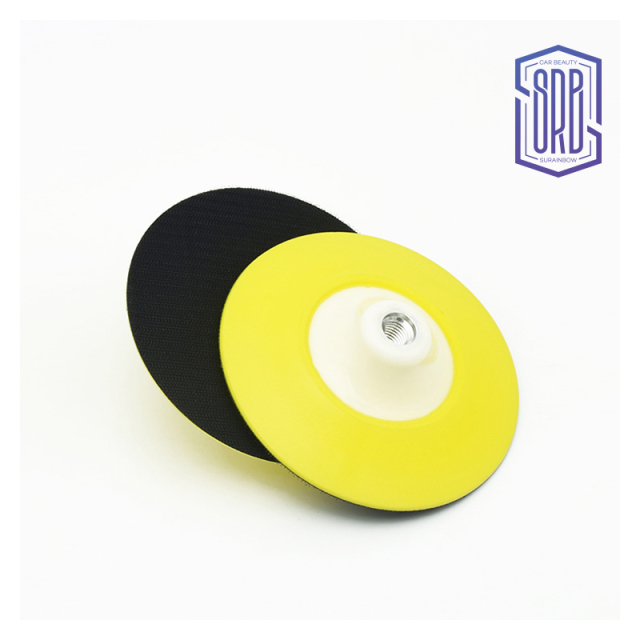
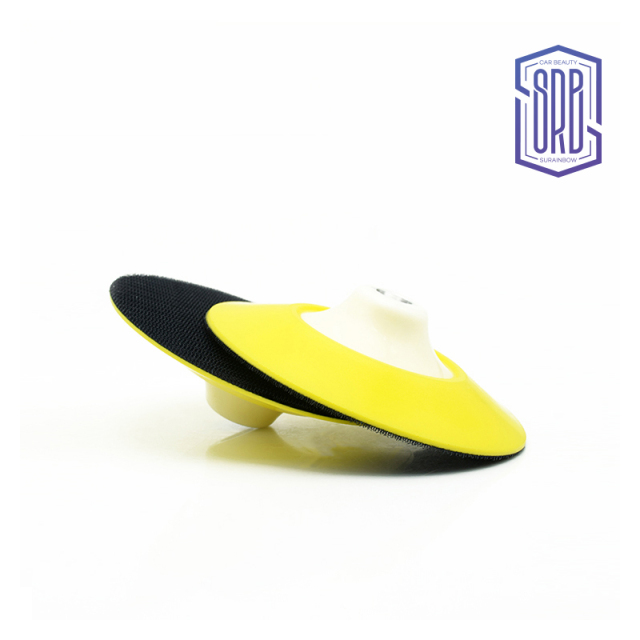
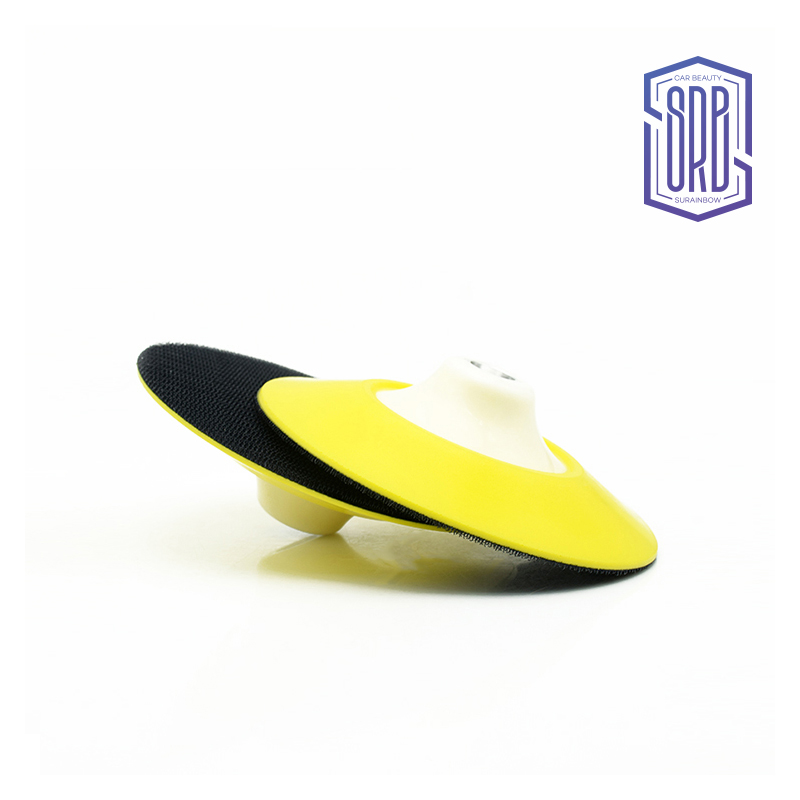
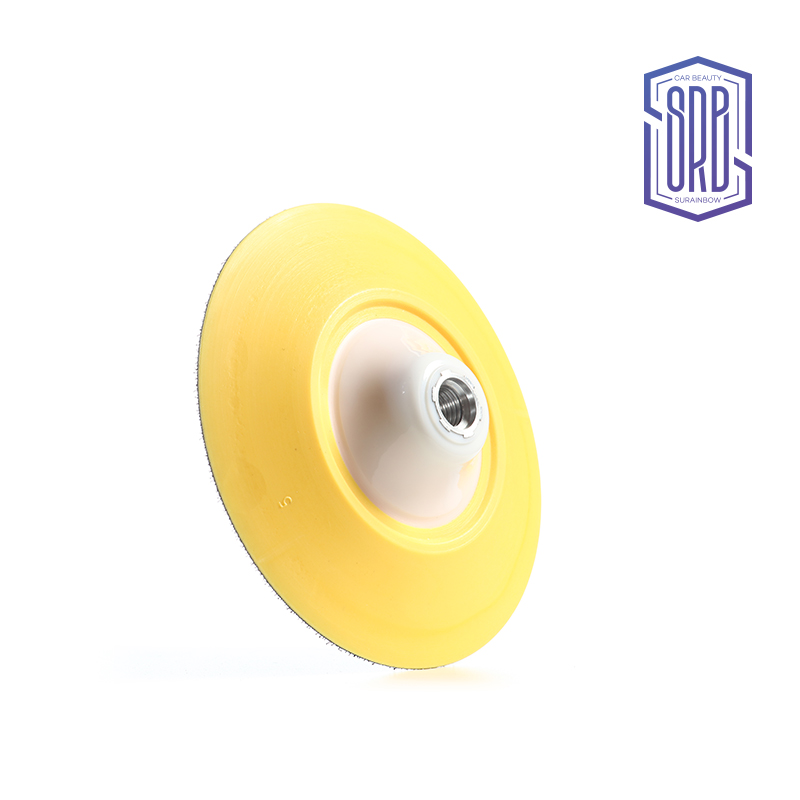
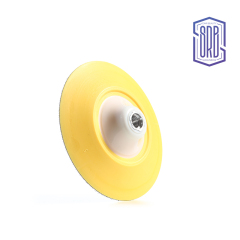
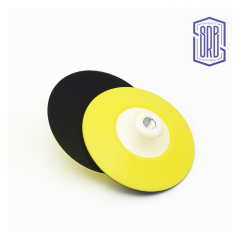
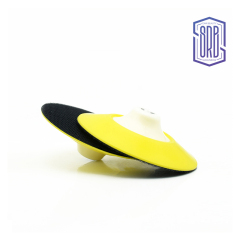
The back is a black loop face that grips a matching hook backing plate, and the plate threads onto the machine through a metal stud set in a recessed white hub. That stud is what keeps the pad running square at working speed instead of drifting off centre.
Six inches is the size that follows panels a wider pad cannot: bumpers, pillars, mirror caps, spoilers and the curved shoulders above the wheel arches. It also suits smaller dual-action machines and drill adapters that labour under a pad too wide for them.
Detailing bays, mobile units and wash businesses that sell a wax or finishing stage restock it by the carton, and distributors carry it as part of the car care supplies they pass on to their own customers.
SURAINBOW is one of the car cleaning products manufacturers supplying this category, and the pad is matched to the compounds and waxes it is used with, so the pad and the product it carries can be ordered together.
Machine & Backing Plate Fit
- Match the plate size. A 6-inch pad wants a backing plate of the same diameter; an oversized plate leaves foam hanging past the edge, and that overhang is what tears first.
- Dual-action and rotary. The loop face grips a hook plate on either machine, and the threaded stud screws into the spindle, so the pad sits square under load.
- Drill mounting. With a threaded adapter the same pad runs on a corded drill for bumpers, sills and wheel-arch lips where a full machine will not fit.
- Which stage it belongs to. A car polishing compound that has to remove defects needs a firmer cutting pad; this one carries the finishing pass that follows.
- Balance on vertical panels. A light pad stays balanced on a machine held sideways against a door or a pillar, so the head does not sag into the paint.
- Clearance. Check the room around handles, badges and mirror mounts before you commit; a 6-inch pad still needs space to spin without catching trim.
- Part of the kit. It lives with the cleaning tools for car that a bay keeps within reach — pads, applicators, brushes and towels, replaced on the same schedule.
Application Scenarios
Bumpers, valances and sills. These take the brunt of scuffs and road film, and once a car polishing compound has levelled a repaired area the same panel needs protection laid back over it — that is the pass this pad is made for.
Pillars, mirror caps, spoilers and wheel arches. Narrow and often curved, these are exactly where a wider pad bridges across and leaves the edges untouched; six inches follows the shape instead.
Wash bays and mobile units. A shop that sells a wax or finishing stage, or works out of a van, gets through pads quickly and reorders them alongside the car care supplies it already buys.
Distributors and own-brand ranges. If you already buy compound and protection from a car wax manufacturer, the pad is the small consumable that sits beside them in the range.
Specifications
| Specification | Detail |
|---|
| Brand | SURAINBOW — car wax manufacturer and detailing supplier, Guangzhou |
| Model | T-614 |
| Product type | Hook-and-loop foam polishing pad |
| Diameter | 6 inch |
| Working face | Foam polishing face |
| Backing | Black hook-and-loop face |
| Mounting | Threaded metal stud on the backing plate |
| Unit weight | 0.03 kg |
| Stated use | Waxing the car |
| Also used for | Sealant, glaze and car polish |
| Shape | Circular disc with a recessed centre hub |
Waxing & Finishing Steps
- Lay out what the pass needs — the pad, a clean microfiber for residue, and the car care products you are applying.
- Wash and dry the panel, and wipe off fresh contamination, so the pad spreads over clean paint instead of working grit into it.
- Fit the pad to the plate from the centre out, check the loop face is fully engaged, then spin it briefly at low speed to confirm it runs true.
- Prime the face with a few small dots of car wax or finishing polish at the lowest speed; a soaked pad slides and skips instead of spreading.
- Work in overlapping passes at moderate speed, keeping the pad flat and moving, and let the machine do the work rather than leaning on it.
- Wipe the residue with the clean microfiber and check the panel under a light; streaky patches usually mean too much product rather than too little working time.
- Brush the face out between panels — product dried into the foam stops spreading evenly and starts leaving texture behind.
Care & Replacement
- Rinse before the product sets. Warm water and a little shampoo worked through the foam by hand lifts polish and car wax out of the cells; leave it sitting and the residue hardens into the face.
- No machine washing or tumble drying. Heat and tumbling break the bond between the foam and the loop backing, and a pad that separates at the edge never sits flat again.
- Dry face-up and off the floor. Stand it on its loop backing in moving air; a pad left face-down on a bench takes the shape of whatever it is resting on.
- Keep solvents away. Petrol-based thinners and heavy degreasers attack the foam, and warm water already does the job.
- Store it alongside the cleaning tools for car. Flat, dry and dust-free, not loose in a bucket where the edges get crushed.
- Know when to retire it. A pad is finished when the foam edge crumbles, the loop face no longer grips the plate, or the face has gone hard and shiny — that pad will mar paint rather than polish it.
Sampling, Packaging & After-Sales
- Send the brief. Product, the car care products it will carry, the machine and backing plate, target market, order quantity and packing needs — enough for the team to quote the right version.
- Test the sample. When a sample is arranged, run the pad on your own machine with the car polish or wax you actually sell, and record the speed, the panel and the result you are approving.
- Seal the reference. The approved pad is kept as the bulk acceptance reference, so later production is compared with a physical sample rather than a description.
- Proof the packaging. Label text, artwork, barcode and carton marks are reviewed and signed off before printing.
- Release to production. The approved proof and written specification travel with the order, and batch records are kept against the same reference.
- Settle the balance and book the shipment. Inspection arrangement, consignee details and carton marks are confirmed before dispatch.
- Receive the documents. Commercial invoice, packing list and customs papers travel with the order; safety data sheets and a certificate of analysis are prepared when the order or the destination market calls for them.
- After-sales and traceability. Report packing damage or a shortage within 7 days of receipt, and any quality concern within 30 days, quoting the order reference, batch number, affected quantity and photos.
Ordering & Delivery
| Item | Detail |
|---|
| Stock | In stock and fast shipping |
| Supplier | Car cleaning products manufacturers with our own factory in Guangzhou, supplying direct |
| Range | Compounds, waxes and other car care products can be planned into the same order |
| Order quantity | Confirmed per item when your quotation is prepared |
| Sample | Ask your sales contact about sample availability before a bulk order |
| Packing | Carton quantity and carton marks confirmed on the quotation |
| Label | SURAINBOW brand or your own; artwork and label text checked before production |
| Payment | Accepted method, currency and schedule confirmed with your sales contact |
| Lead time | Confirmed with the quotation, based on quantity and stock |
| Shipping | Courier, air and sea freight options quoted for your destination |
Scale & Supply Capability
SURAINBOW is run by Guangzhou Liangdian Automotive Supplies Co., Ltd., a factory-trade operation set up in Guangzhou in 2010 and now 50 people strong. Sixteen years in car care have given us a one-stop supply position: our own SURAINBOW lines are held in stock for fast shipping, and an associate factory with modern production equipment and an established quality management system keeps replenishment moving. We take OEM and ODM work and our R&D team develops to your specification. Buyers in the Middle East, the United States, Southeast Asia, Europe, the UK, Russia, Africa and Australia already order from us.
FAQ
Will this 6-inch pad fit my dual-action polisher?
It fits any machine that takes a 6-inch hook-and-loop backing plate — the loop face grips the plate and the plate's threaded stud screws into the spindle. Check your plate diameter before ordering: a plate wider than the pad leaves foam unsupported at the edge, and that overhang tears first.
What products can I apply with this pad?
The stated use is applying car wax, and the same pad handles sealant, glaze and finishing polish where the job is to spread product evenly rather than cut. Anything that has to remove defects should be worked with a firmer cutting pad first.
Do I need another pad if I am using a compound?
Only if the compound has to cut. A pad used with a car polishing compound to level defects needs firmer foam and more machine speed; this 6-inch pad is the finishing step that goes on afterwards, spreading protection or refining the surface.
How much product should I load onto the pad?
Less than most people expect. A few small dots spread at the lowest speed will tint the face evenly, and that is enough for a panel or two before you add more. A pad that looks wet is overloaded — it slides, skips and leaves streaks that take longer to wipe out.
Can I use it on a drill?
Yes, with a threaded adapter that matches the stud on the backing plate. A drill is useful for bumpers, sills and wheel-arch lips a dual-action machine cannot reach, but keep the speed low and the pad moving, because a drill concentrates force in one spot far more than a DA does.
How do I know when the pad is worn out?
Retire it when the foam edge starts to crumble, when the loop face no longer grips the plate, or when the face has gone hard and shiny. A worn pad stops spreading car polish evenly and starts leaving texture in the finish, which costs more time than a fresh pad saves.