Product Overview
Professional workshops can use P-823 Professional Nano Coating for Car Paint to add a protective finishing treatment to prepared vehicle paint through a three-layer application procedure. Intended for the painted exterior, the coating focuses on anti-fouling protection, enriching paint color and brightness, and helping retain freshly finished gloss while routine washing remains necessary. Preparation includes thorough washing, removal of surface dirt and oxidation, correction where needed, gloss refinement, and degreasing to leave the paint clean and dry. Installers spread each layer evenly with a coating sponge, use alternating directions for consistent coverage, and level the applied material with a dedicated coating towel as they work.
Paint Finish & Protection
- Prepared car paint gains a protective finishing treatment with this nano ceramic coating for cars. The focus is the painted exterior, following cleaning and any necessary correction work.
- Anti-fouling performance is a central part of the ceramic coating benefits offered by this treatment. It helps protect the finished surface against contamination without replacing routine washing.
- Paint color and brightness are the appearance priorities of this automotive ceramic coating. The treatment is intended to enrich the look of the paint and help retain its freshly finished gloss.
- Professional application suits workshops that can complete a controlled coating service rather than a quick wash-and-wipe treatment. Installers can integrate paint correction and ceramic coating into an existing paint-finishing service.
- A layered treatment distinguishes this professional ceramic coating by its application method. Layering alone does not establish a performance advantage over another coating or make different formulas interchangeable.
Coating Component Labels
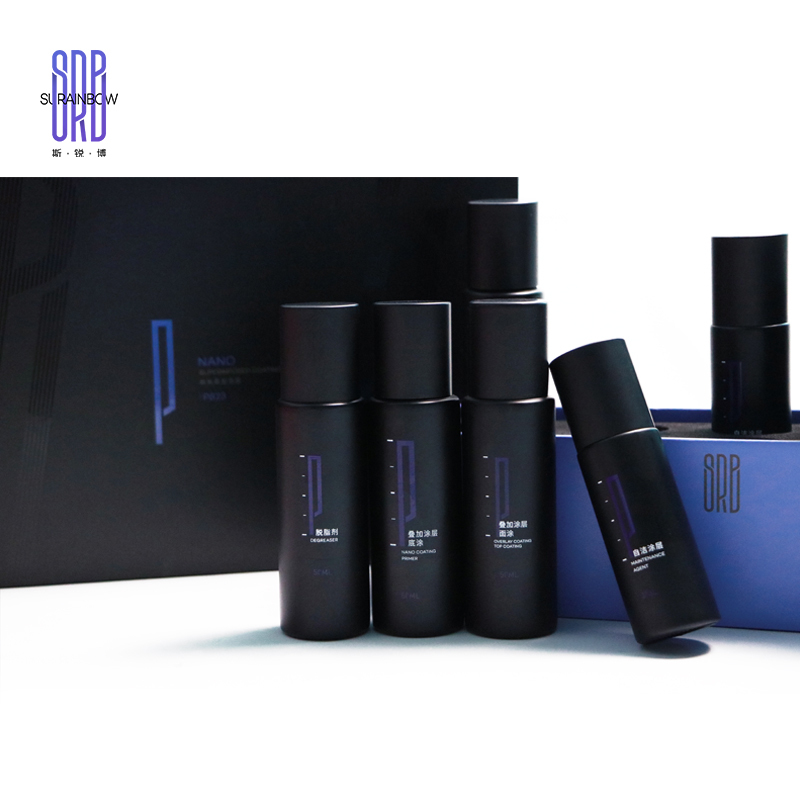
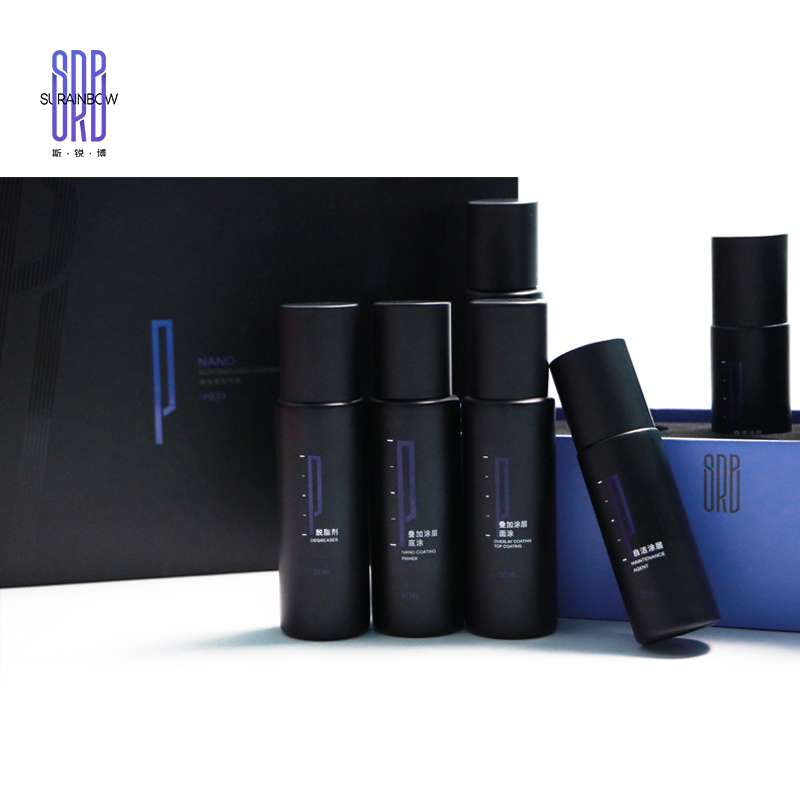
| Preparation liquid label | Degreaser; final cleaning reference |
| Primer labels | Twin coating / primer; primer-stage reference |
| Overlay labels | Overlay coating / top-coat; follow-on coat reference |
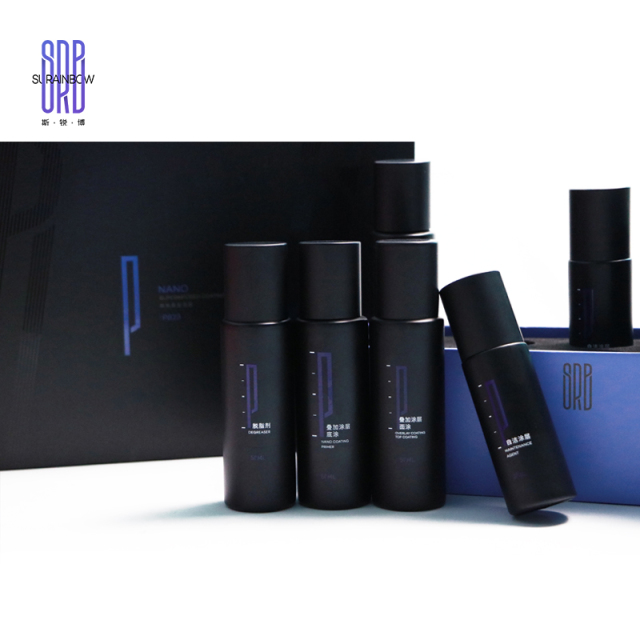
| Nano treatment label | Nano coating; nano-treatment reference |
| Additional coating label | General coating; general-use coating reference |
| Finishing treatment label | Top coating; finishing reference |
| Aftercare liquid label | Maintenance agent; care-stage reference |
| Layered treatment label | Superimposed coating; layered-treatment reference |
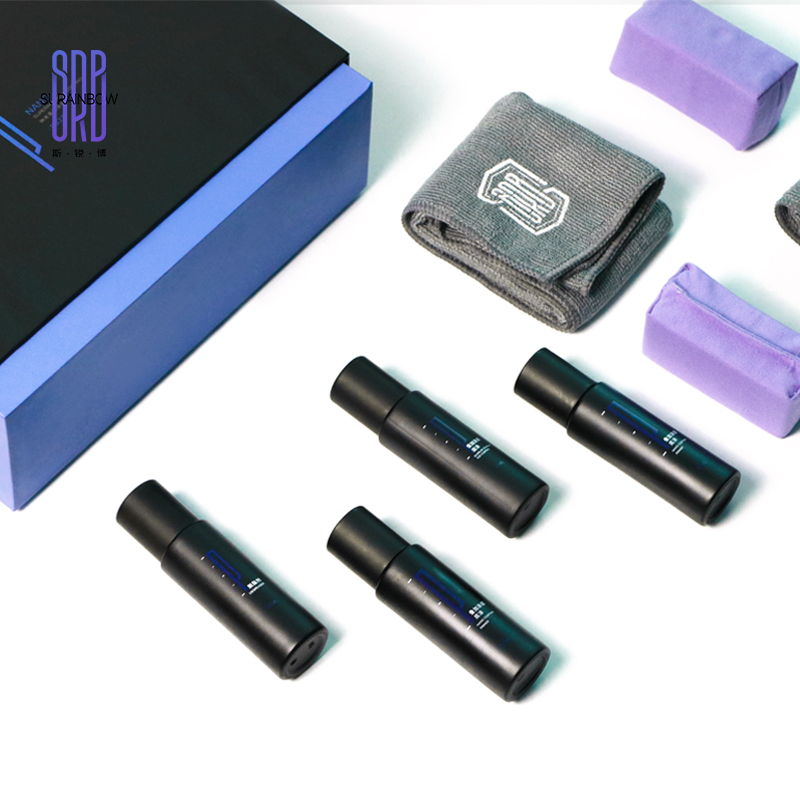
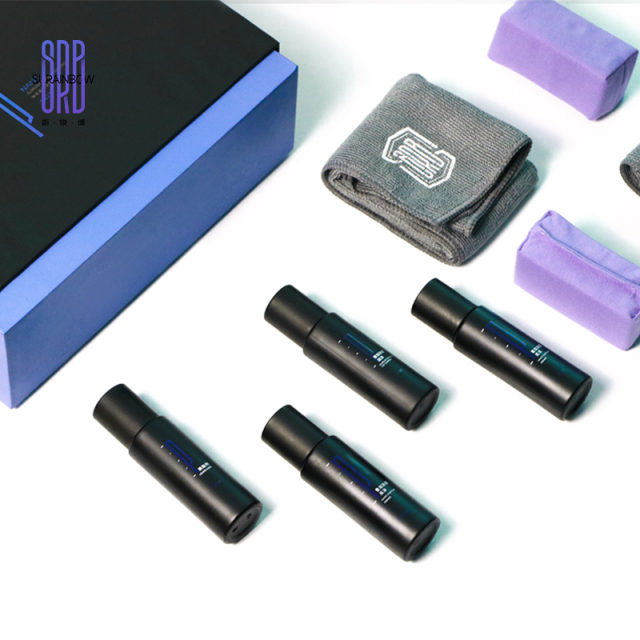
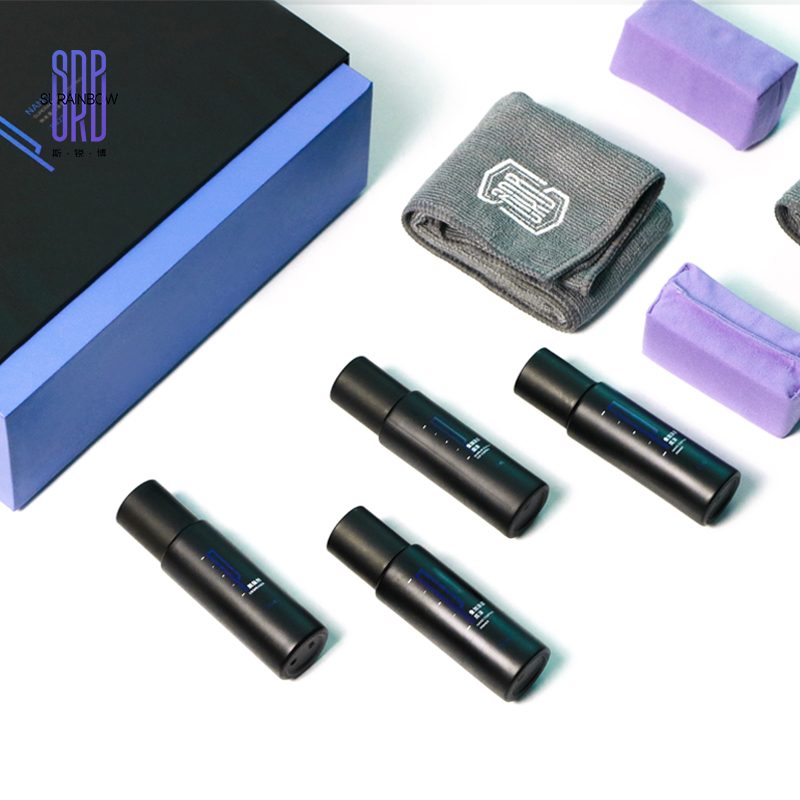
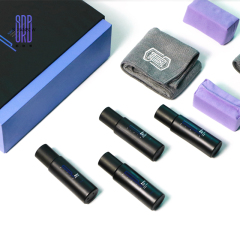
| Pictured application tools | Gray cloths and purple applicator blocks |
Paint Preparation
- Wash the paint thoroughly and remove surface dirt and the oxidized layer before applying ceramic coating for cars. Contamination left on the surface can interfere with an even finish.
- Inspect the clean paint under suitable lighting to identify scratches and other defects. paint correction and ceramic coating serve different purposes: correction addresses existing defects, while the coating follows the prepared finish.
- Use an appropriate abrasive or polishing agent where correction is needed, matching the treatment to the paint condition. Avoid treating the coating itself as a repair product for deep scratches or missing paint.
- Refine the corrected paint with a gloss-finishing product, referred to in the application instructions as a mirror-reducing agent. Work toward an even appearance across the vehicle rather than leaving isolated polished areas.
- Degrease the finished surface and wipe away the preparation residue. professional car care products used during polishing can leave oils behind, so this cleaning stage belongs after gloss refinement.
- Leave the prepared paint clean and dry before coating begins. Keep preparation cloths separate from the cloth used to level the coating so polishing residue is not transferred back onto the surface.
Layered Application
Three coating layers form the stated application procedure for this nano ceramic coating for cars. Organize the work by completed layer so the installer can track coverage across the vehicle without confusing a finished panel with one awaiting treatment.
A coating sponge spreads the liquid evenly over the prepared paint. Use alternating directions to establish consistent coverage, keeping the applicator controlled around panel edges and adjoining surfaces.
Level the applied material with a dedicated coating towel as you work. Circular wiping movements may be used, with attention to visible residue and uneven areas rather than simply moving liquid from one part of the panel to another.
Intercoat waiting time must be included in the workshop schedule. The instructions reference 2-hour intervals; confirm the exact interval for each layer, the component sequence and the applicable working conditions before starting. Bottle labels such as primer and top-coat identify different functions, not permission to substitute one liquid for another.
An automotive ceramic coating also needs a careful finishing inspection. After the final application, check the paint from different viewing angles for missed areas, streaks and uneven residue before vehicle handover. A spray demonstration does not replace the sponge-and-towel procedure described here.
Testing & Sample Approval
- Spray-paint and graffiti tests are referenced for the anti-fouling treatment. For a useful assessment of ceramic coating benefits, request the corresponding method, surface preparation, exposure conditions and recorded results rather than relying on the test name alone.
- A representative painted test area helps establish the working behavior of this professional automotive ceramic coating before a full vehicle application. Record spreading, towel leveling and the appearance after the complete treatment, not just the appearance of freshly applied liquid.
- paint correction and ceramic coating trials should record the starting paint condition and the preparation products used. Comparing unlike surfaces can make a preparation difference look like a coating difference.
- Distributor trials with ceramic coating suppliers are more useful when the approved sample and written acceptance criteria describe the same result. Agree on the finish, application method and acceptable variation before using the trial as a bulk acceptance reference.
- Durability claims require product-specific support, such as a relevant test report or third-party assessment with clearly stated conditions. No fixed protection period is specified here, and a maintenance interval should not be treated as a durability rating.
- Safe workshop handling requires the current safety data sheet, ingredient declaration and product instructions. Request these for this formula so ventilation, protective equipment and handling procedures follow the actual liquid rather than assumptions based on other professional car care products.
Washing & Maintenance
The first wash should take place only after 7 days. Include that date in the vehicle handover instructions so the owner does not mistake a finished-looking surface for permission to wash immediately after treatment.
Routine cleaning remains part of caring for a nano ceramic coating. Use clean washing tools, avoid rubbing loose dirt across the paint and follow the instructions for the cleaning liquid used on the vehicle. Protection is not a substitute for removing accumulated contamination.
A maintenance coating application is specified 6 months after the layered treatment. Keep a record of the original application date so this follow-up is tied to the actual service rather than an estimated calendar period.
During that maintenance application, the instructions allow a wait of 3–5 minutes before wiping. This waiting reference applies to maintenance and should not be used as the initial coating's intercoat schedule.
Compatible professional car care products help keep the aftercare routine consistent. Before adding an unrelated topper, polish or treatment, check its suitability for the coated finish rather than assuming all products can be combined.
Ordering & Delivery
- P-823 orders should identify the required quantity, destination and intended use. In stock and fast shipping. This is our general supply position; item availability and the applicable order minimum remain subject to the specific order.
- Trial requirements should identify the paint surface, intended application and approval criteria; ask for current sample terms. Keep the approved product reference and any agreed acceptance limits with the order record.
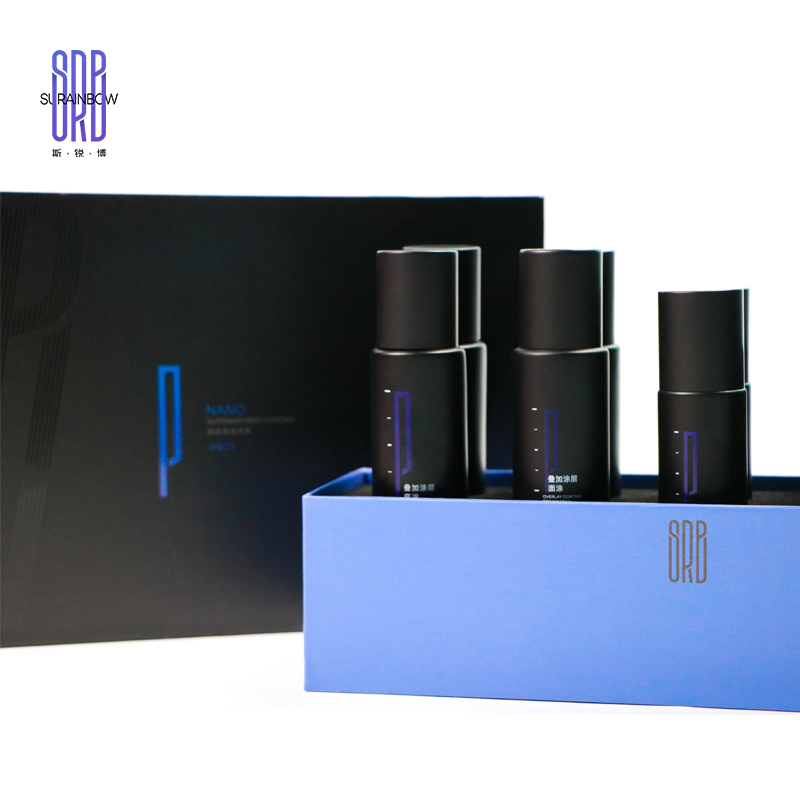
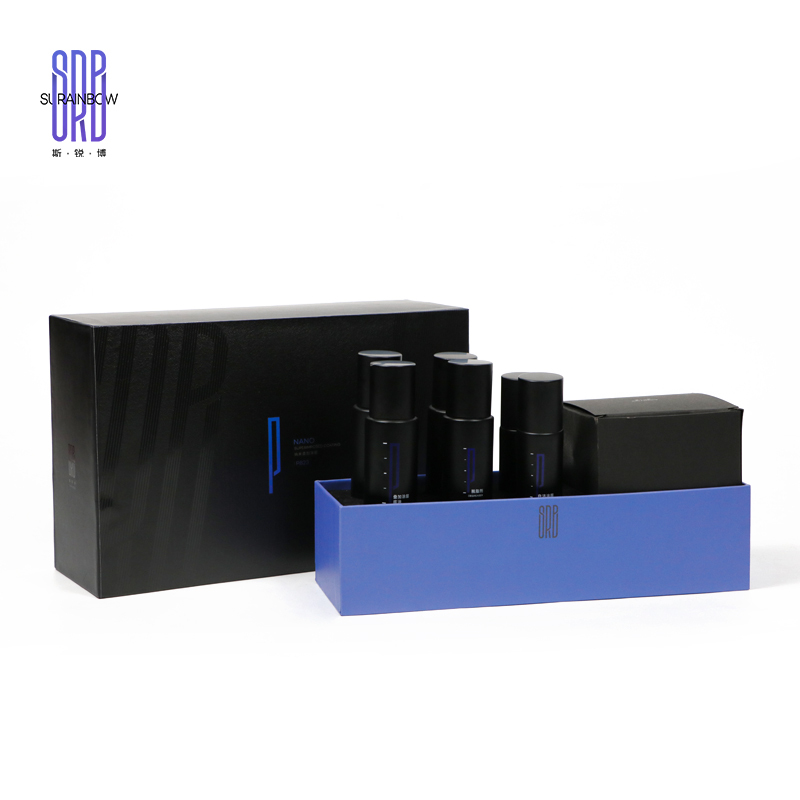
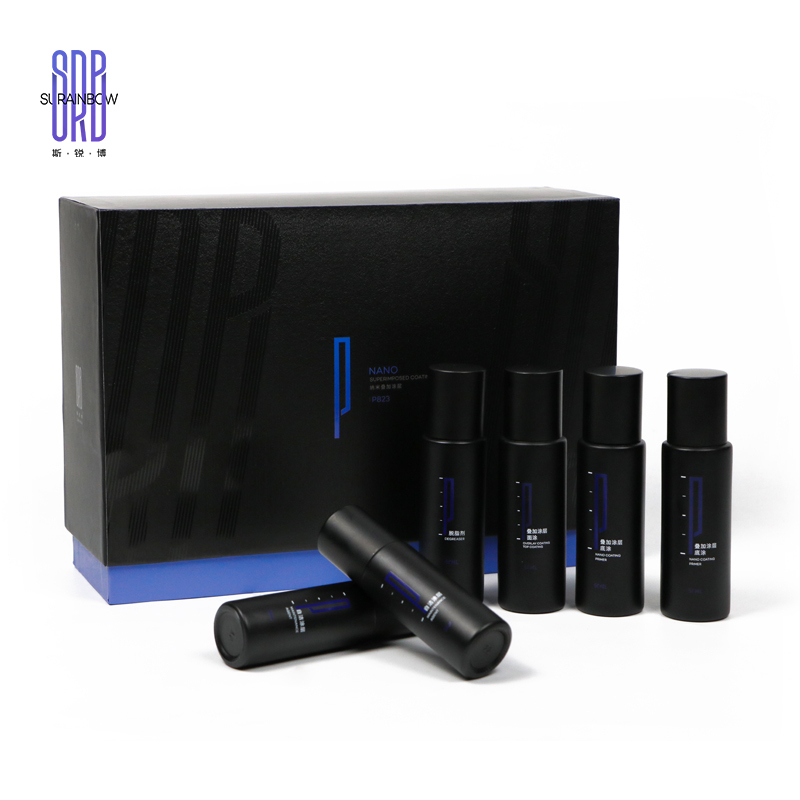
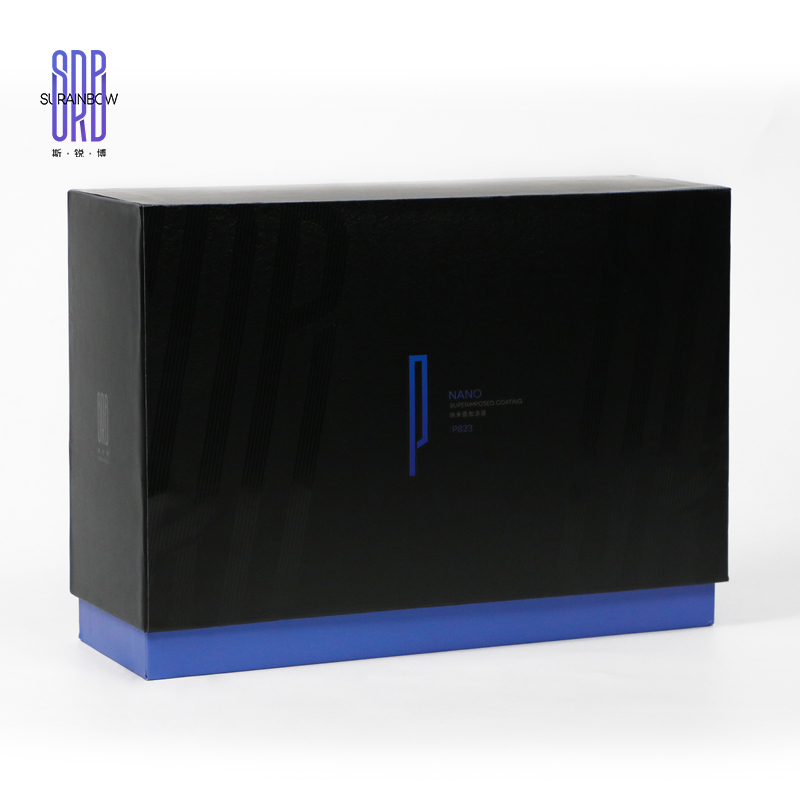
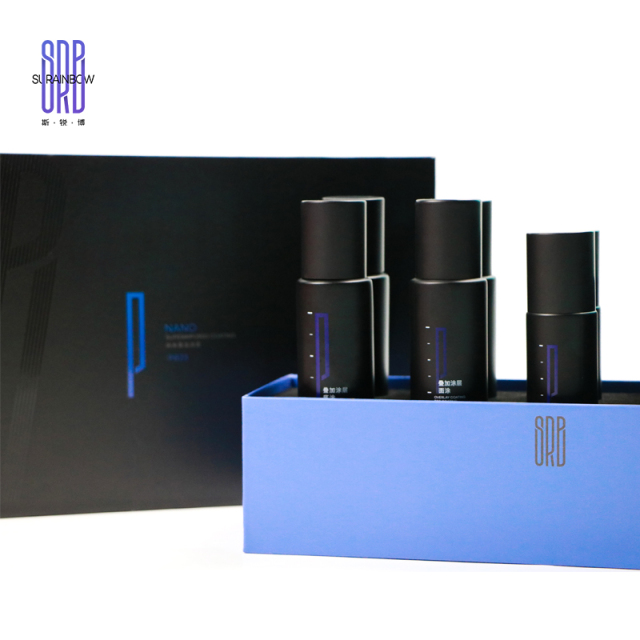
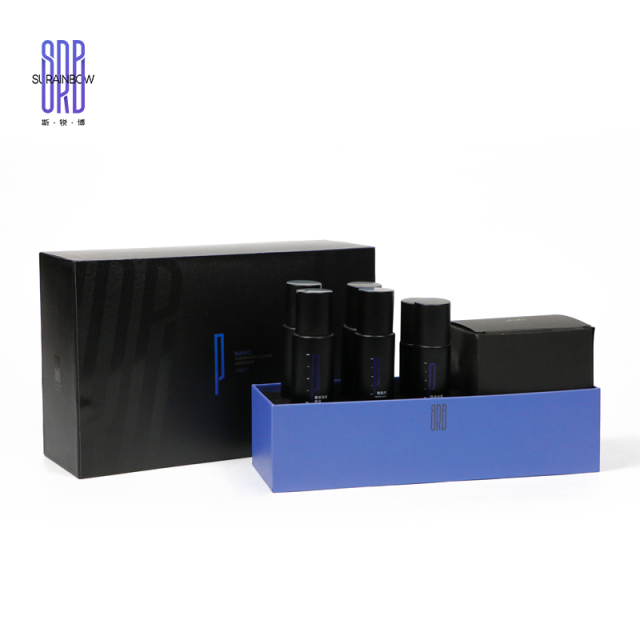
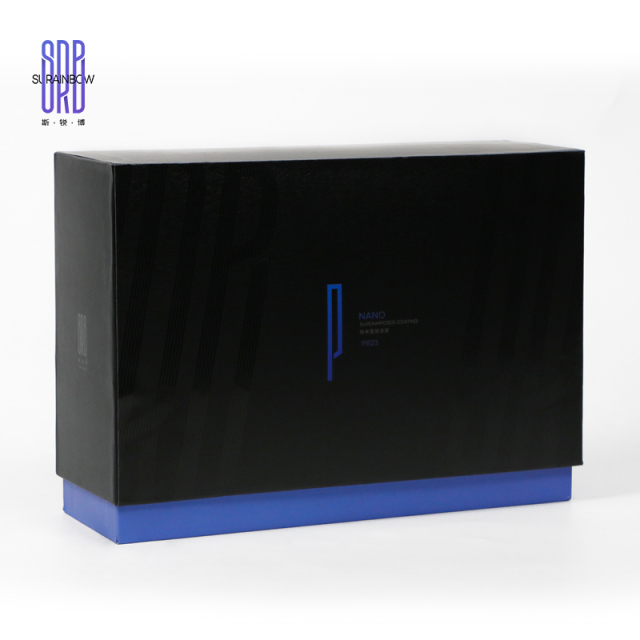
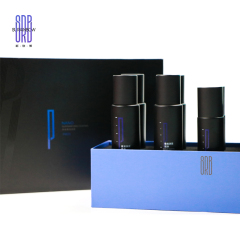
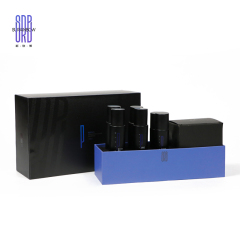
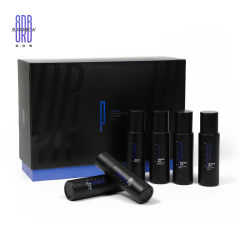
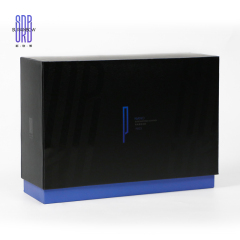
- Kit contents need written agreement before purchase, including the liquids, applicators and cloths supplied. The illustrated presentation uses black bottles with contrasting labels, a black box and a blue tray; the final order should identify the exact contents rather than relying on appearance alone.
- Packaging approval should cover container size, closures, label language, artwork, carton quantity and shipping marks. Where packaging design or a physical proof is required, agree on its scope and approve the relevant version before production release.
- Distributors comparing ceramic coating suppliers should include destination-market requirements in the order brief. Review transport classification, carrier requirements, labeling obligations and the required export documents for the actual formula and destination; do not assume market approval from the product category.
- Dispatch arrangements should include the agreed inspection status, balance-payment status, shipping method, consignee details and document handover. Any invoice, packing list, safety documentation or other required records should be agreed for the shipment rather than assumed to be automatically included.
- After-sales records should connect the delivered goods with the approved product and packaging versions. Agree on the available batch identification, inspection records and retained-sample arrangements where these are needed for the order.
- A later application or product concern is easier to investigate with the order reference, batch details, affected quantity, photographs and a description of preparation and use. Retain those details so the supplied batch and the workshop procedure can be reviewed together.
Automotive Surface Compatibility
- Automotive paint is the intended surface for this professional ceramic coating. The paint application procedure does not establish suitability for every material on a vehicle; define the surfaces included in your coating service before work begins.
- Glass needs separate product approval. Do not include windscreens, windows, mirrors or glass roof panels in the paint-coating treatment unless we have confirmed instructions for that specific application.
- Paint protection film (PPF) and vinyl wraps are not exposed paint, even when fitted over painted panels. Identify the film brand and finish when requesting compatibility guidance; approval for the underlying paint does not establish approval for its covering.
- Unpainted plastic and rubber trim fall outside the stated paint procedure. Keep these areas separate from painted trim, and do not offer the coating as a trim dressing or color-restoration treatment without product-specific confirmation.
- Chrome, plated metal and exposed aluminum require their own surface-specific product selection. Our plated-parts restoration and protection products serve a different application; this paint coating should not be substituted for the protective coating required by that restoration procedure.
- Mixed-material panels need a clear treatment plan. Identify paint, film, glass and trim boundaries before application, and keep unconfirmed surfaces outside the treatment area. A satisfactory small-area result alone does not establish long-term compatibility or replace surface-specific approval.
Scale & Supply Capability
We are Guangzhou Liangdian Automotive Supplies Co., Ltd., an integrated manufacturing and trading company founded in Guangzhou in 2010. With 50 employees, we supply a broad range of car care products to distributors, wholesalers and brand owners. Our range lets you source across categories through one supplier, with in-stock options and fast shipping. Alongside our SURAINBOW brand, we offer OEM/ODM customization, supported by a professional R&D team that can design and develop products around your requirements.
FAQ
Can I use this coating on glass, PPF or plated trim?
Treat every non-painted surface as a separate application decision rather than extending the paint procedure automatically. For glass, confirm that the product is suitable for the viewing area and for surfaces exposed to wiper contact. For PPF, check the film manufacturer’s care guidance and whether its top layer accepts the coating without changing the film’s appearance. Plastic trim can vary in texture and composition, so test an inconspicuous section for color change, residue, or uneven sheen. Plated trim also deserves a small-area test because its finish may respond differently during wipe-off. Before offering any of these surfaces as a standard workshop service, obtain substrate-specific instructions and record the approved preparation, application, and aftercare steps for that material.
Is P-823 suitable for a professional paint-finishing service?
P-823 is intended for professional workshops applying a protective finishing treatment to prepared exterior vehicle paint. It fits a controlled coating service that includes thorough preparation and a three-layer application procedure. Workshops can integrate it into an existing paint-finishing service, with correction performed where needed before the coating is applied.
What paint preparation is required before applying P-823?
The paint must be thoroughly washed, cleared of surface dirt and oxidation, refined, degreased, and left clean and dry before coating. Inspect the cleaned paint under suitable lighting and correct defects where needed with an appropriate abrasive or polishing agent. Complete gloss refinement before degreasing, and keep preparation cloths separate from the towel used to level the coating.
How is the three-layer coating treatment applied?
P-823 uses a three-layer application procedure in which installers spread each layer evenly with a coating sponge and level the material with a dedicated coating towel. Alternating application directions helps maintain consistent coverage. Organize the work by completed layer so installers can track coverage across the vehicle and distinguish finished panels from those still awaiting treatment.
What finish and maintenance expectations should we explain to customers?
P-823 is intended to enrich paint color and brightness, help retain freshly finished gloss, and provide anti-fouling protection while routine washing remains necessary. The coating follows cleaning and any required correction work on the painted exterior. Present it as a protective finishing treatment; existing paint defects need to be addressed during preparation rather than treated as coating repairs.
Does a heavier application improve ceramic coating benefits?
Protection is not measured by how much liquid remains on the panel. Work toward a thin, continuous application that reaches the intended area without puddling at edges, body lines, emblems, or panel gaps. Excess product can leave more residue to level and may increase the chance of streaks or uneven gloss, especially when an installer moves from a flat panel to a curved or detailed section. If a panel looks overloaded, follow the stated wipe-off procedure instead of adding more material to correct it. Professional teams can improve consistency by setting the same coverage target for each working section and training installers to distinguish complete coverage from visible buildup. When comparing formulas for workshop use, judge the result by the prescribed process and finish rather than by the apparent thickness of the wet application.